Blog
Washoku Goes Global: Japan's Quiet, Institutional Approach to Food Diplomacy
Japan never ran a splashy gastrodiplomacy ad campaign. Instead it built working groups, a nonprofit restaurant-growth organization, and a museum-piece approach to promoting washoku abroad, one embassy dinner at a time.
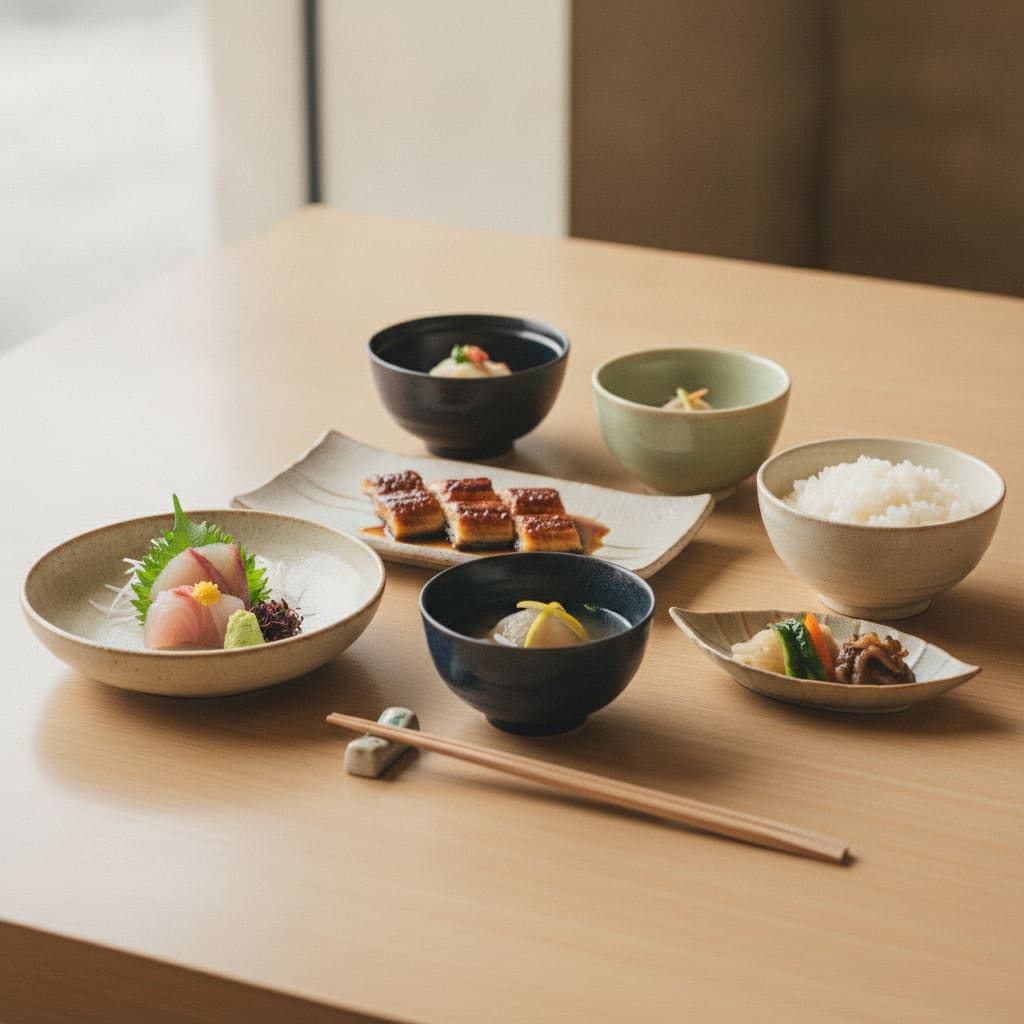
Compared to South Korea's $77 million campaign or Taiwan's £20 million bubble tea push, Japan's approach to promoting its cuisine abroad looks almost understated. There's no single flashy number attached to it, no catchy nickname like "Kimchi Diplomacy." What Japan built instead was quieter and more institutional: working groups, a dedicated nonprofit, and a steady stream of diplomatic-mission events, run less like a marketing campaign and more like the slow, careful cultivation the cuisine itself is known for.
The institutions behind it
In 2005, Japan established the Japan Brand Working Group, which went on to house the country's culinary diplomacy initiative through something called the Food Research Promotion Discussion Group (Shoku-bunka kenkyū suishin kondankai). Out of that came Japanese Restaurants Overseas (JRO), a nonprofit specifically created to invest in and help grow restaurants serving Japanese cuisine abroad, functioning less like a certification body and more like an incubator.
Then in 2006, the Ministry of Agriculture, Forestry and Fisheries, the same ministry structure South Korea would use for its own campaign three years later, launched "Washoku, Try Japan's Good Food," presenting Japanese dishes at events hosted by Japanese diplomatic missions abroad. The image that's come to symbolize this approach: sitting heads of state and prime ministers eating at real, working restaurants together, not banquet halls. Barack Obama and Shinzo Abe's 2014 dinner at Sukiyabashi Jiro, a tiny, famously exacting sushi restaurant in Tokyo, is the most widely circulated image of this style of diplomacy in action, informal, restaurant-based, built around a single respected chef rather than a national campaign banner.
Why washoku's UNESCO status changed the calculus
Japan's approach shifted meaningfully after 2013, when washoku, traditional Japanese dietary culture broadly, not any single dish, was added to UNESCO's Representative List of the Intangible Cultural Heritage of Humanity. That's the same UNESCO heritage category Peru unsuccessfully applied for around the same period; Japan succeeded where Peru initially didn't.
UNESCO recognition changed what Japan's promotional efforts were actually selling. Instead of pitching individual dishes, sushi, ramen, tempura, each of which had frankly already achieved massive global popularity on their own without much government help, Japan could promote washoku as a complete cultural and dietary philosophy: seasonal awareness, nutritional balance, and specific preparation traditions tied to Japanese social and religious life. That's a harder sell than "try this dish," but a more durable one, closer to what Peru was attempting with its multicultural-identity pitch, cultural meaning as the product, not just flavor.
What makes Japan's version distinct
Every other program in this series is built around expansion: more restaurants, more exports, more global market share for a national cuisine. Japan's institutional approach reads differently, closer to careful stewardship of a cuisine that was already globally dominant by the time formal diplomatic efforts began. Sushi didn't need a government campaign to conquer international menus; it had already done that by the 1980s and 90s through private restaurateurs and chefs working independently.
What Japan's government-backed effort added on top wasn't volume, it was framing: connecting an already-popular cuisine back to a specific, protected cultural tradition, using diplomatic-mission dinners and heritage status rather than trade-ministry marketing budgets to do it. It's arguably the gastrodiplomacy model best suited to a country whose food didn't need help getting noticed, only help being understood correctly once it had.
Sources: Culinary diplomacy, Wikipedia.