Blog
The Dollar Menu Is Dead. What Replaced It Is Much Harder to Compare
McDonald's $5 Meal Deal was supposed to be temporary. It became the McValue platform, then an Under $3 Menu and a $4 breakfast deal. Every competitor answered. Here's how the value wars actually work, and why they made price comparison harder.
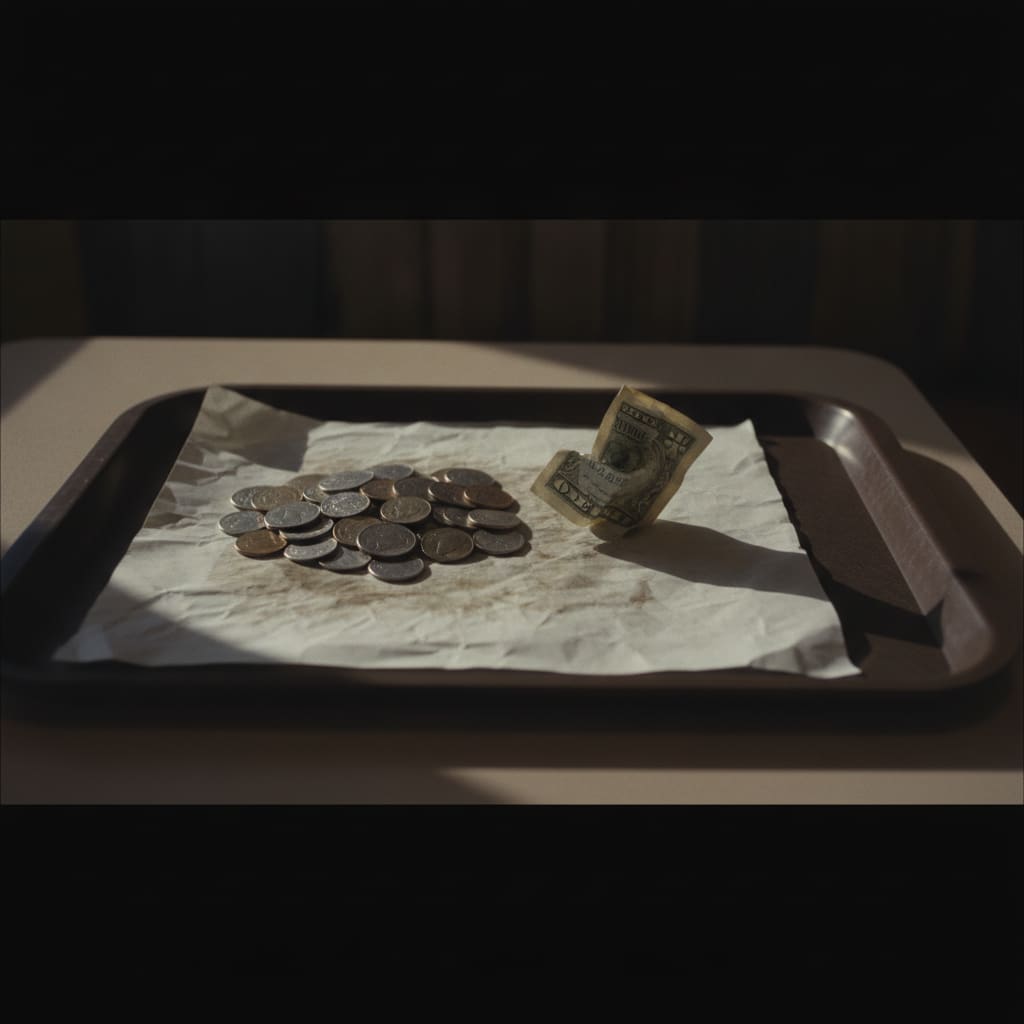
For about fifteen years, value in fast food meant a list of items that each cost one dollar. It was crude and it was gloriously easy to compare: a dollar was a dollar at every chain in America.
That model died when a dollar stopped covering the food cost. What replaced it is a platform: a rotating set of bundles, app-only offers, and add-on mechanics that differ by brand, by month, and sometimes by store. It works better for the chains and much worse for anyone trying to figure out where their $10 goes furthest.
How the current era started
June 2024: McDonald's launched a $5 Meal Deal: a McDouble or McChicken, small fries, 4-piece McNuggets, and a small drink. It was framed as limited-time. It sold well enough that the chain extended it, then extended it again.
January 2025: the deal was absorbed into McValue, a permanent platform combining the $5 Meal Deal, app-exclusive offers, local franchise deals, and a Buy One, Add One for $1 mechanic across breakfast, lunch, and dinner.
April 2026: McValue expanded again with an Under $3 Menu and a $4 Breakfast Meal Deal, sitting alongside the existing lunch and dinner deals.
Every major competitor ran a version of the same sequence, because the traffic problem was industry-wide, not brand-specific.
The three mechanics doing the work
Strip the marketing and current value offers are built from three parts:
The bundle. A fixed combination at a fixed price. Franchisees discount bundled meals by an average of 10.4% versus buying the components separately. Real, but smaller than the presentation suggests, and the bundle is chosen by the chain to include its highest-margin components (drink, fries), not your preferred ones.
The add-on. "Buy one, add one for $1" style offers. These raise your total spend while lowering your average price per item, which is exactly the metric a customer feels good about and a CFO likes.
The app gate. The best pricing increasingly lives behind a login. About 70% of QSR sales were expected to run through digital ordering by the end of 2025, and chains have moved their sharpest offers there deliberately. The deal is real; the price of it is your order history.
Why comparing chains got harder
Under the dollar menu, "which chain is cheaper" was answerable by reading two menus. Now the honest answer requires knowing:
- the base à la carte price at your store (franchisees set prices; the same Big Mac ranges roughly $3.99 to $9.50 nationally),
- which bundle you would actually order,
- which app offer is live this week,
- and whether the bundle includes items you would have skipped.
That is four variables for a $12 decision, which is why most people default to habit. If you want to short-circuit it, the useful comparison is base menu price at your location, since that is the number every deal is discounted from: that is what our cheapest-menu rankings and side-by-side chain comparisons are built on.
The one rule worth keeping
A value platform's job is to make the cheapest thing on the menu feel like the price of the menu. It is not. Price your actual order, the drink you want, the size you want, before deciding a chain got cheap again.