Blog
Hawaii's McDonald's Sells Saimin. Japan's Sells a Rice-Bun Sandwich
McAloo Tikki in India, Ebi Filet-O with fried rice buns in Japan, saimin and Portuguese sausage in Hawaii, green chile in New Mexico. The world's most standardized restaurant is far less standardized than its reputation.
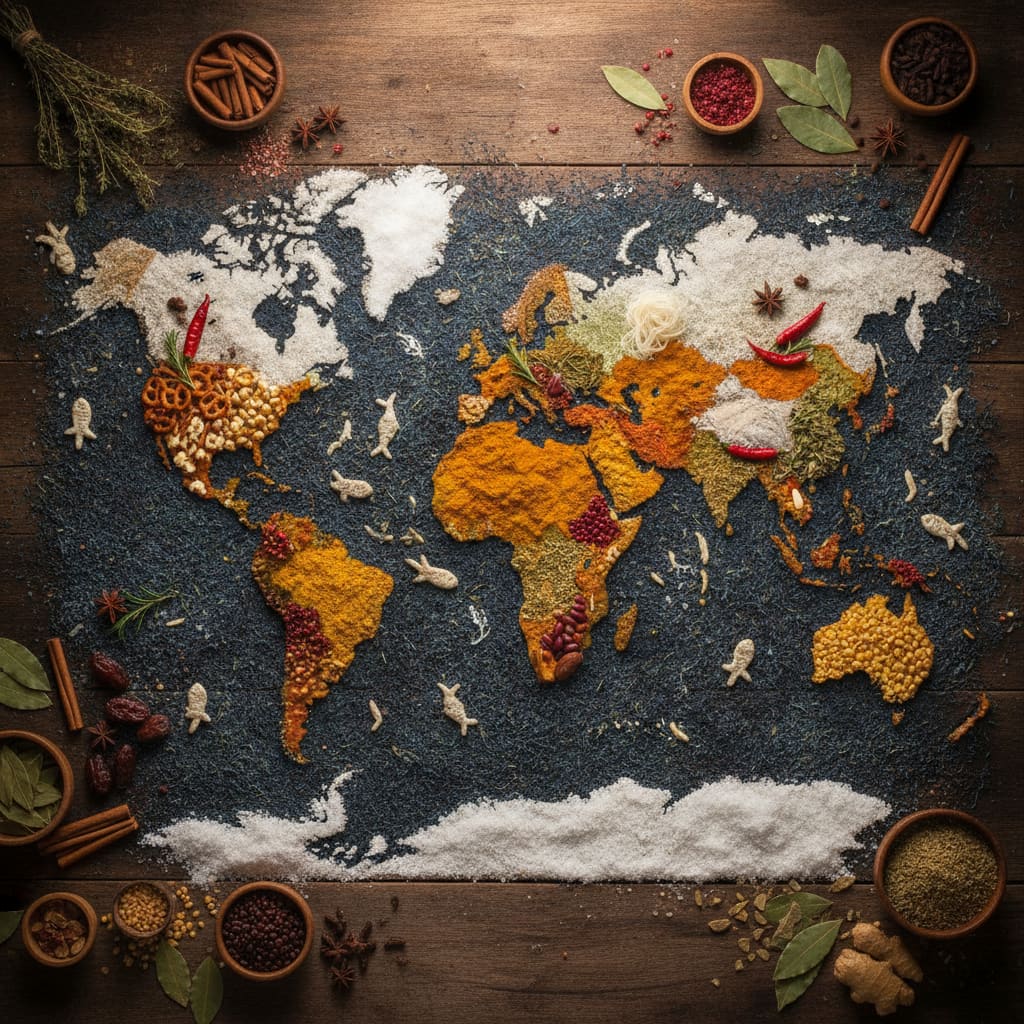
The standard critique of global fast food is that it flattens local food culture. The menus tell a more complicated story: the chain most associated with sameness runs hundreds of items that exist in exactly one country, and it does so on purpose.
India: built around what cannot be served
McDonald's India serves no beef and no pork. That is not a garnish-level adaptation: it removes the product the entire brand was built on and forces a menu to be reconstructed from scratch.
What filled the gap became genuinely popular on its own terms:
- McAloo Tikki: a spiced potato and pea patty, breaded and fried, with onion, lettuce, and a sweet tomato sauce. India's answer to the core burger, and one of the chain's best-selling items anywhere.
- McSpicy Paneer, battered fried paneer with tandoori sauce, cheese, onion, lettuce.
- Pizza McPuff: a rectangular pastry pocket of peas, carrots, beans, capsicum, onion, mozzarella, and tomato sauce, which is not a burger, not a pizza, and not available anywhere else.
Japan: the format itself gets replaced
Japan's localizations are more structural than most. The Gohan line replaces the bread bun with fried rice buns, applied to items like the Ebi Filet-O. The Shrimp Filet-O, panko-crusted shrimp patty, Thousand Island, lettuce, is a permanent fixture. The Roasted Soy Sauce Double Thick Beef began as the limited-run Samurai Mac and sold well enough to earn a permanent slot. There is also a black-pepper-and-garlic McNugget with a soy-mayo dip.
Japan is also where limited-time offers are treated as a core competency rather than a marketing calendar item, which is why its menu changes faster than almost any other market's.
The United States is regional too
This surprises Americans more than the international examples:
- Hawaii, saimin on the regular menu, plus Spam and Portuguese sausage with rice at breakfast.
- New England, seasonal lobster rolls.
- Mid-Atlantic, crab cakes.
- Upper Midwest, Johnsonville brats in parts of the region.
- Southwest, burgers topped with New Mexico green chile.
- Texas: the Texas Homestyle Burger.
And other examples exist across chains: regional sauces, regional biscuit programs, regional soda partnerships.
McDonald's even runs a Global Menu Restaurant in Chicago carrying six to nine rotating international items, refreshed roughly quarterly: a permanent installation acknowledging that the interesting menu is the one you cannot get.
Why chains localize at all
Three reasons, in order of how much they actually drive the decision:
- Non-negotiable constraints. Religious and dietary rules are not preferences to be marketed around. No beef in India is a starting condition.
- Supply chains are local. Lobster in New England and Spam in Hawaii are cheap, available, and familiar in those places and expensive novelties everywhere else.
- Familiarity sells. A localized item lowers the barrier for customers who do not want an American meal, which is most people most days.
The counterintuitive result: the most globalized restaurant company on earth spends enormous effort being slightly different in every market. The golden arches are the standard part. The menu underneath is a negotiation with wherever it landed, and worth reading whenever you travel, since it is often the fastest snapshot of what a place actually eats. If you are curious what a given chain runs near you, start with the restaurant listings.