Blog
How Peru Turned Ceviche Into a National Diplomatic Strategy
Peru's "Cocina Peruana Para El Mundo" campaign, backed by celebrity chef Gaston Acurio, tried to get Peruvian food onto UNESCO's cultural heritage list. It got rejected once, and kept going anyway.
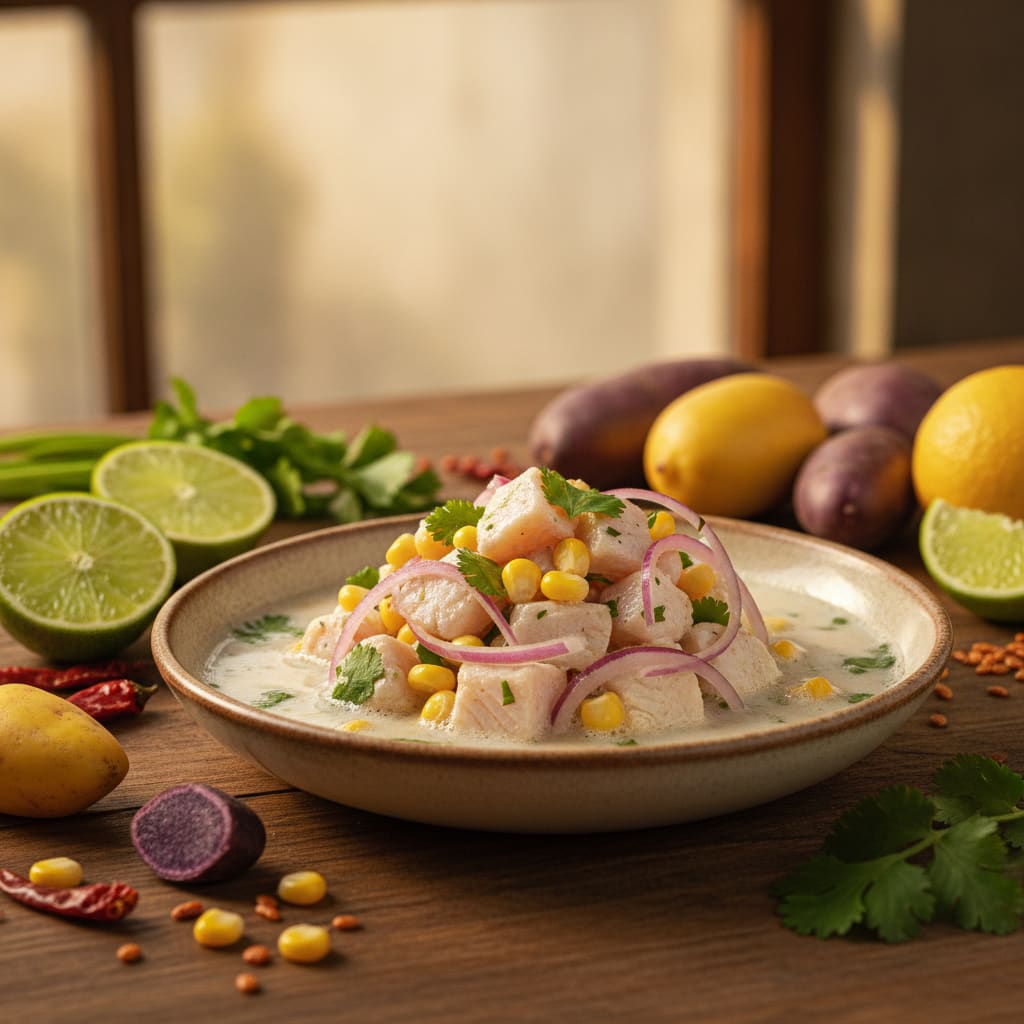
Most gastrodiplomacy campaigns are built by trade ministries and executed through embassies. Peru's version had an unusual co-author: a celebrity chef who became arguably more central to the campaign than the government agencies funding it.
Perú, Mucho Gusto: the tourism opening
Peru's push began in 2006 with "Perú, Mucho Gusto," a tourism campaign that funded national cookbooks, food festivals, and support for Peruvian restaurants opening abroad. It was framed as tourism marketing first, food second, using cuisine as a hook to get travelers curious about visiting Peru itself rather than as a standalone cultural export the way Thailand's or Korea's programs were built.
A dedicated culinary diplomacy program followed in 2011, and it aimed higher than a tourism brochure: Peru applied to get its cuisine added to UNESCO's list of intangible cultural heritage, the very first year food heritage was recognized as a category at all. It's worth pausing on how unusual that bid was. Most countries running gastrodiplomacy programs are trying to build restaurant counts or export numbers. Peru went straight for the most prestigious possible validation available: global institutional recognition that its cuisine constitutes cultural heritage worth protecting.
The bid was denied. Peruvian cuisine did not receive UNESCO heritage status in that initial application.
The chef who became the face of the campaign
What makes Peru's story different from Thailand's or Korea's top-down, ministry-run programs is Gaston Acurio, a chef who built and still owns restaurants across multiple countries and became the most visible advocate for Peruvian food internationally, arguably more recognizable abroad than any Peruvian government agency involved in the campaign.
Acurio co-created "Perú Sabe," a documentary made with Spanish chef Ferran Adrià, one of the most influential figures in modern fine dining, that argued for Peruvian cuisine's global significance. The "Cocina Peruana Para El Mundo" (Peruvian Cuisine for the World) banner that followed blended government backing with Acurio's personal brand and restaurant empire, a hybrid model closer to how a private company might build an international brand than how a ministry typically runs a diplomacy program.
The Nikkei angle
Part of what makes Peruvian cuisine an unusually strong gastrodiplomacy asset is that it already has a genuine, decades-old fusion story built in: Nikkei cuisine, the blend of Japanese technique and Peruvian ingredients that emerged from Japanese immigration to Peru starting in the late 1800s. Anthropologist Raúl Matta has written about Peruvian gastronomy being promoted specifically as a product of the country's multicultural identity, not despite the mixing of culinary traditions but because of it.
That's a meaningfully different pitch from Thailand's or Italy's certification-driven authenticity model, which is built around preserving a single, definable tradition. Peru's campaign instead sells cultural blending itself as the selling point, ceviche's Spanish-colonial roots crossed with indigenous ingredients, Nikkei's Japanese-Peruvian fusion, Chifa's Chinese-Peruvian fusion, as evidence of a uniquely adaptive, globally relevant cuisine rather than a fixed tradition to be defended.
Where it stands
Peru hasn't built a restaurant certification system the way Thailand has with Thai SELECT. Its strategy has stayed closer to its tourism-marketing roots: celebrity chef advocacy, documentary storytelling, and international prestige campaigns like the UNESCO bid, rather than a quality-control mechanism for restaurants abroad. That makes it harder to point to a single number, restaurants certified, exports grown, the way you can with Korea's kimchi figures. But by most informal measures, ceviche and ceviche-adjacent Nikkei dishes have gone from a regional specialty to fixtures on ambitious restaurant menus worldwide over the past fifteen years, a shift that tracks closely with the campaign's timeline even if it can't be cleanly attributed to it alone.
Sources: Culinary diplomacy, Wikipedia.