Blog
Shrinkflation Hit the Drive-Thru. A Wendy's Nugget Lost 18% of Its Weight
A Wendy's nugget averaged 14.6 grams in 2024 and about 12 grams in 2025. Carrols, which runs 14% of Burger King locations, cut a nugget order from ten pieces to eight and kept the price. Here's where portions quietly shrank.
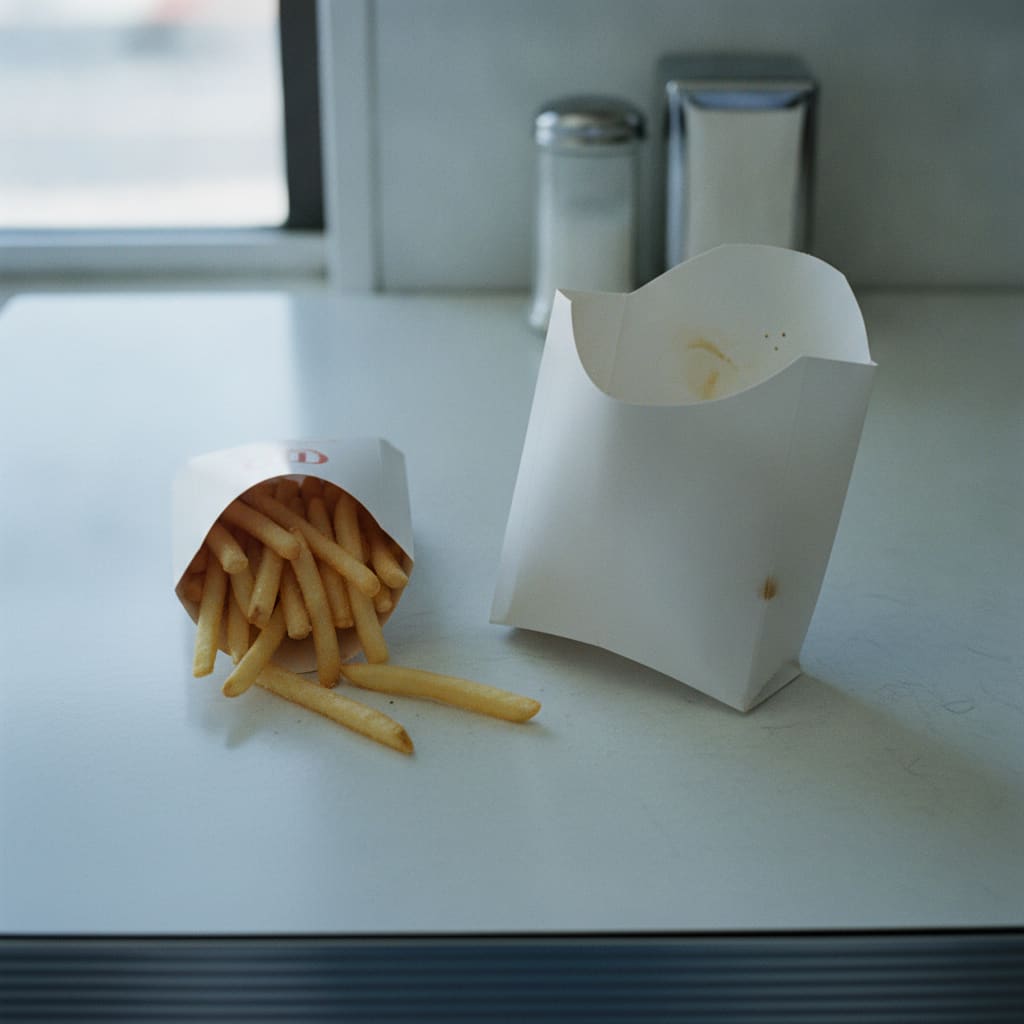
Raising a price is a headline. Shrinking a portion is a quiet email to suppliers. Chains have been doing far more of the second thing.
The cleanest documented example: a Wendy's nugget averaged 14.6 grams in 2024 and about 12 grams in 2025: a 17.8% loss of chicken per piece, at a per-piece count that did not change. Nothing on the menu board moved.
The most explicit example came from Carrols Restaurant Group, which operates about 14% of US Burger King locations. It cut a nugget order from ten pieces to eight and said out loud that the goal was to "partially offset inflation" without raising the price. That is shrinkflation stated as policy rather than inferred from a Reddit photo.
Where else customers say it happened
Most of the rest is customer-reported rather than company-confirmed, which is worth flagging honestly, but the pattern repeats across chains and years:
- Five Guys built its reputation on the overfilled fry cup and the scoop of extras dumped in the bag. Customers report the overflow is gone and small fries now barely fill the cup.
- McDonald's, medium fries described as resembling the old small; nuggets appearing thinner and flatter.
- Burger King: a viral "tiny Whopper" video that kicked off a wider argument about patty diameter.
- Chick-fil-A, photos of half-width fillets and thinner buns.
- Chipotle: a portion-size video passed 16 million views, and the chain publicly retrained staff on scoop sizes as a result. Chipotle is the rare case where consumer pressure visibly reversed the shrink.
- Taco Bell, lighter fillings and less cheese, the hardest category to prove and the easiest to feel.
- Arby's, smaller fries and drinks, with one customer suing over it.
Why chains prefer shrinking to raising
Because price is the number people memorize and weight is the number nobody measures. A customer who knows a combo costs $9.79 will notice $10.29 immediately and may not notice 2.6 fewer grams of chicken per nugget across a lifetime of orders. The industry term is "menu price integrity", protecting the posted number while the cost of goods moves underneath it.
The underlying cost pressure in 2025 was real: beef, chicken, and produce all moved on supply and weather, and labor kept climbing. Shrinking a portion is the least visible lever available.
How to actually spot it
Vibes are unreliable and photos are worse, angle and lens do most of the work in a viral "tiny burger" post. Two things that hold up:
- Track weight-anchored items. Anything sold by a piece count (nuggets, tenders, wings) or a stated weight (quarter pound) is measurable. If the piece count drops and the price holds, that is a real price increase per gram.
- Track calories per item. Published nutrition data usually gets updated when a portion changes, because the chain is legally on the hook for the number. A quiet 15% calorie drop on a menu item with an unchanged price is a shrink, documented by the chain itself. That is one useful side effect of the per-restaurant calorie pages: the number is the receipt.
Then compare on price per unit rather than price per item. A ten-piece at $5.49 and an eight-piece at $4.99 are not close to the same deal, and the menu board is designed so you never do that division.